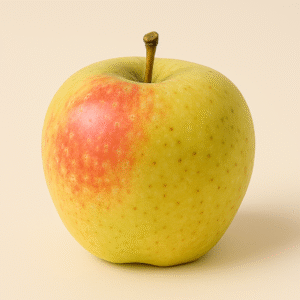

Westcot Apricot (Prunus mandshurica ‘Westcot’)
Westcot Apricot is a cold-hardy prairie apricot developed at Agriculture Canada’s Morden Research Station in Manitoba. It’s hardy to USDA Zone 4 (some sources claim 2-3), bears large, freestone fruit with 18° Brix sweetness, and combines reliable spring bloom with excellent fruit quality for fresh eating, canning, and preserves.
Origins & Breeding
- Developed at Morden, Manitoba (introduced 1982) by Agriculture Canada.
- Parentage: ‘Scout’ × ‘McClure’, selected for extreme cold tolerance and hardy flower buds.
Tree & Cultural Requirements
- Full sun and well-drained soil are essential; tolerates a range of soil types except standing water.
- Moderate vigor with an upright-spreading habit; can be trained with branch spreaders to open canopy for light penetration.
- Prune in late winter after the risk of extreme cold has passed to maintain structure and remove dead wood.
Fruit Characteristics & Uses
- Flavor: Sweet and rich, 18° Brix makes it ideal for fresh eating and preserves.
- Texture: Firm enough to withstand handling, canning, and even light drying.
- Uses: Fresh eating, jam, canning, compotes, and drying. Flesh holds its shape and bright color.
Pollination & Yield
- Although some sources note self-fertility, planting a second apricot cultivar nearby maximizes fruit set and consistency.
- High-yielding: Nine-year-old trees have produced up to 200 lb of fruit each in Minnesota trials.
Landscape & Ornamental Appeal
- Early spring bloom blankets the tree in shell-pink flowers, offering strong curb appeal before leaf-out.
- Golden summer fruit contrasts with dark green foliage; autumn foliage turns clear yellow.
- Used successfully as boulevard and specimen trees in Canadian prairie cities like Edmonton.
Care Tips & Considerations
- Protect blossoms from late spring frosts with frost cloths when temperatures dip below 28 °F.
- Monitor for common apricot diseases—bacterial canker, brown rot, and aphids—and follow a preventative spray program.
- Clean up fallen fruit promptly to reduce wildlife attractants and disease pressure.