Evans Bali Cherry
Evans Bali is a hardy, self-pollinating sour cherry (Prunus cerasus) renowned for its abundant mid-summer harvest, compact form, and striking ornamental features.
- Taste: pronounced tartness with crisp acidity and a hint of sweetness, ideal for traditional sour-cherry applications.
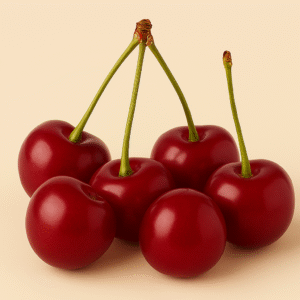
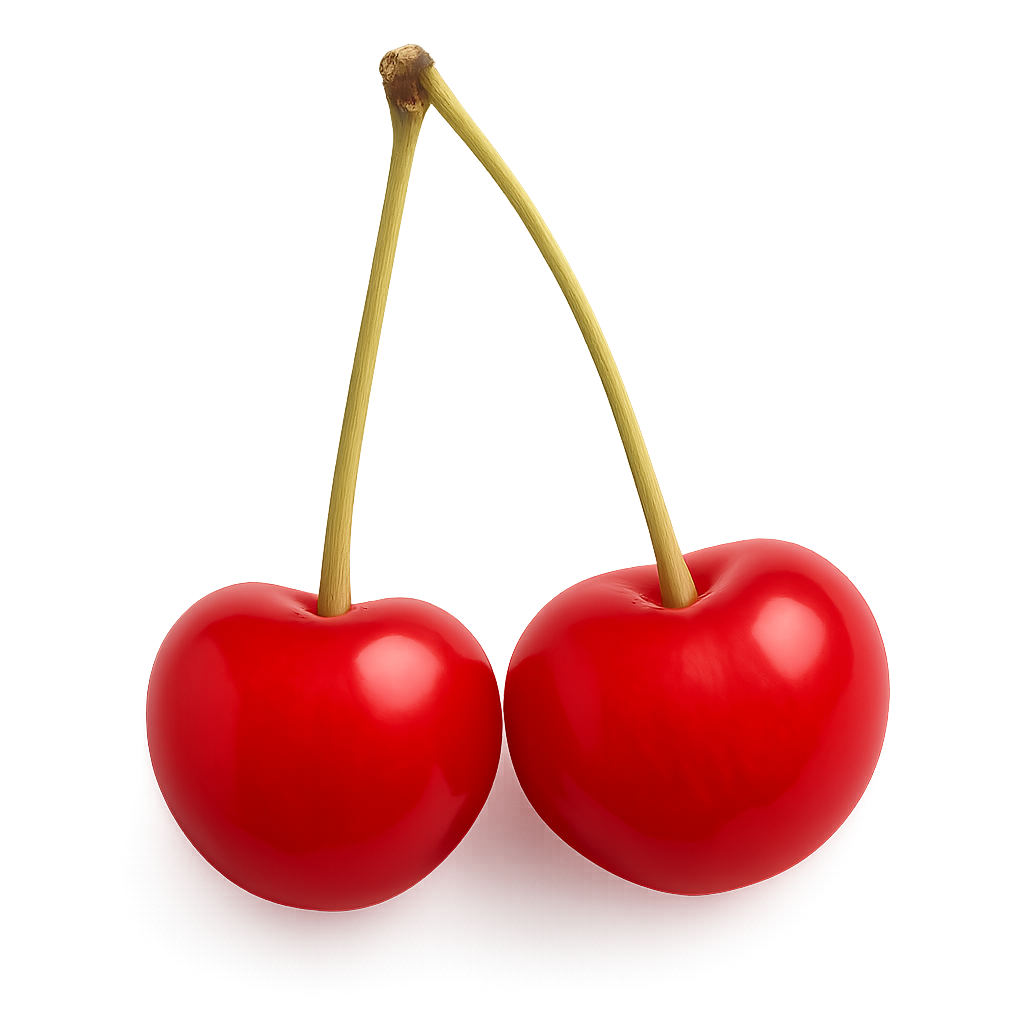
- Skin & Flesh Color: bright crimson skin encasing firm yellow flesh; average fruit weight around 4.4 g produces clear to slightly pink-tinted juice.
- Harvest Season: ripens in mid-July in cooler regions (late July–early August), with peak yields before most European sour cherries.
- Disease Resistance & Site Preferences: shows strong tolerance of urban pollution, thrives in average to evenly moist soils, but does not tolerate standing water. Requires full sun and well-drained conditions.
- Best Uses: jams, jellies, pies, cobblers, fruit wines, and fresh eating for aficionados of bright, tangy cherries.
- Storage Life: best used or processed within one to two weeks of harvest; fruit softens quickly when overripe.
- Pollination: fully self-fertile—no companion tree needed for a reliable crop.
- Chill Hours & Hardiness: performs reliably with 800–1,200 chill hours; hardy from USDA Zone 3a up to Zone 9 under ideal conditions.
- Blossoms & Ornamental Appeal: fragrant white spring flowers appear before the leaves; dark red, smooth bark adds winter interest; foliage turns vibrant orange in autumn.
- Origin & Heritage: rediscovered in an Alberta orchard dating to 1923 by horticulturist Ieuan Evans; briefly marketed as ‘Bali’ by St. Lawrence Nursery before U.S. growers reverted to the original ‘Evans’ namesake.