Scout Apricot (Prunus mandshurica ‘Scout’)
Scout Apricot is a cold-hardy fruit tree valued for its early shell-pink blossoms, medium-sized golden fruit, and reliable performance in USDA Zone 4 landscapes.
Description
- Flowers: Clusters of fragrant shell-pink blooms emerge on distinctive pink buds in early spring, often ahead of leaf-out.
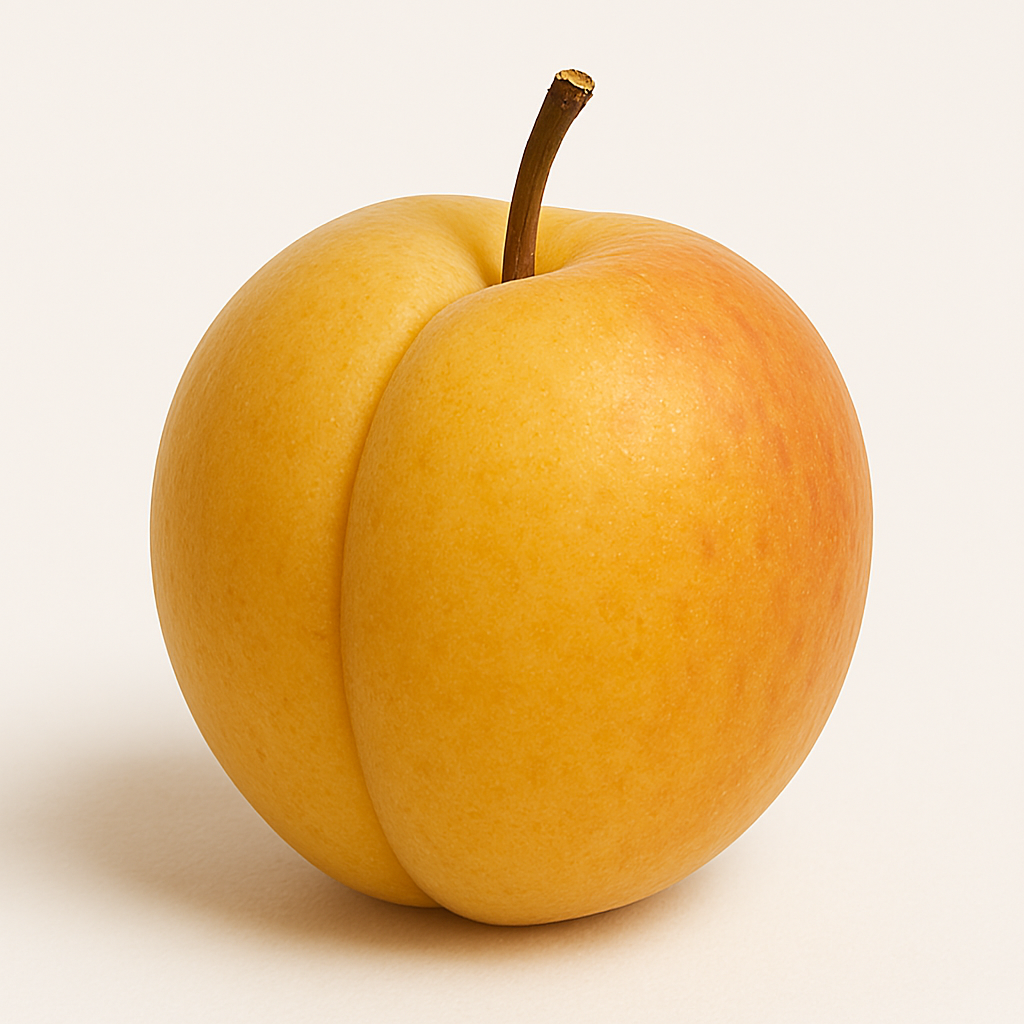
- Fruit: Produces yellow drupes with gold overtones and firm orange flesh, ready for picking in late summer.
- Pollination: partially self-fertile tree, meaning it can produce fruit on its own but yields a much better crop when planted near another compatible apricot variety for cross-pollination.
Tree & Cultural Requirements
Scout Apricot thrives in full sun with well-drained soil, tolerating various soil types but avoiding waterlogged conditions.
Plant in a spot with good air circulation to reduce frost damage risk to early blossoms.
Perform structural pruning in late winter to remove dead wood and open the canopy for light penetration.
Fruit Characteristics & Uses
The firm, medium-sweet flesh is ideal for fresh eating, preserves, baking, and drying—its freestone pits make pitting effortless for cooking and canning.
Golden color holds beautifully when cooked, yielding vibrant jams and compotes.
Pollination & Yield
Although partially self-fertile, Scout achieves higher yields when cross-pollinated with another apricot cultivar planted nearby.
Well-established trees can produce abundant, consistent crops suitable for home orchards and small-scale markets.
Landscape & Ornamental Appeal
Early spring flowers attract pollinators, while summer’s golden fruit contrasts against dark foliage and fall brings clear yellow leaves for seasonal interest.
Its moderate canopy and clean trunk make it an excellent choice for boulevards, edible borders, and ornamental orchards.