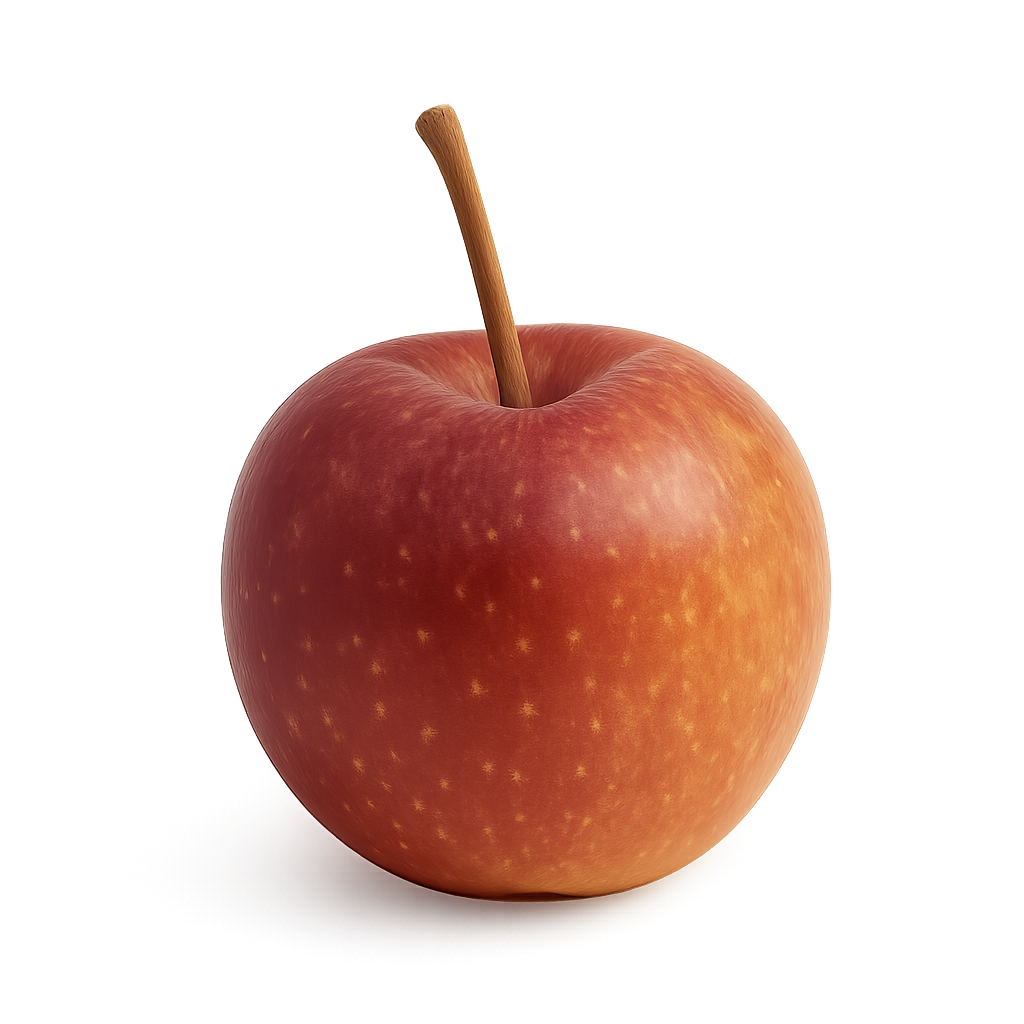
Chestnut Crabapple
Chestnut Crabapple is one of the largest and sweetest crabapples around, prized for its rich, nutty flavor and exceptional versatility in both the kitchen and the landscape. Considered by cold climate apple expert Bob Osborne to be the tastiest of crabs and described by Rowan Jacobsen in his book Apples of Uncommon Character as having a flavor of “a peach pie on a graham cracker crust”.
- Taste: Sweet, nutty profile with hints of caramel and warm spice (think nutmeg) and virtually no bitterness.
- Good pollinator for other most other apple trees as it blooms mid-season
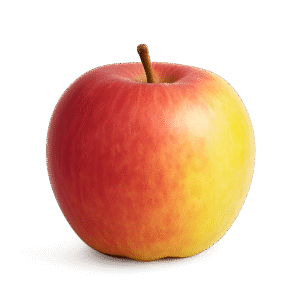
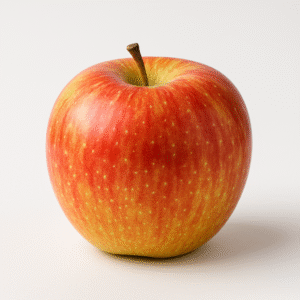
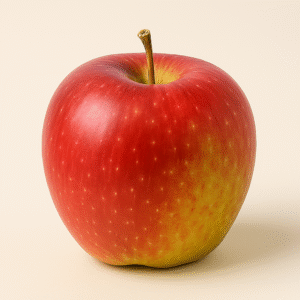
- Skin & Flesh Color: Fruit averages 1.5–2″ in diameter, sporting a pale yellow to golden base splashed with streaky red blushes; flesh is creamy white and fine-textured.
- Harvest Season: Early to mid-season (typically early September), yet fruits often hold on the tree well into October—and even December in mild winters—without shriveling.
- Disease Resistance: High tolerance to apple scab, powdery mildew, cedar-apple rust, and fire blight, making it an outstanding low-spray choice.
- Best Uses: Fresh snacking, bright-red jellies and jams, sweet-tart sauces, cider blends, and applesauce; also popular for wildlife and as a stunning pollinator.
- Storage Life: Keeps 4–5 weeks in cool, humid storage; processed preserves retain vivid color and flavor for months.
- Pollination: Self-sterile; excellent pollinator for other apples thanks to a long bloom window.
- Chill Hours & Hardiness: Requires about 800 chill hours; thrives in USDA zones 3–8 and tolerates winter lows to –40°F once established.
- Blossom & Ornamental Appeal: Clusters of fragrant white spring blossoms set against fresh green foliage, followed by masses of glossy red-blushed fruit that persist into winter.
- Origin & Heritage: Bred at the University of Minnesota breeding program in the 1940s, this variety was selected for its unusually large crabapple size, superb flavor, and hardy nature.