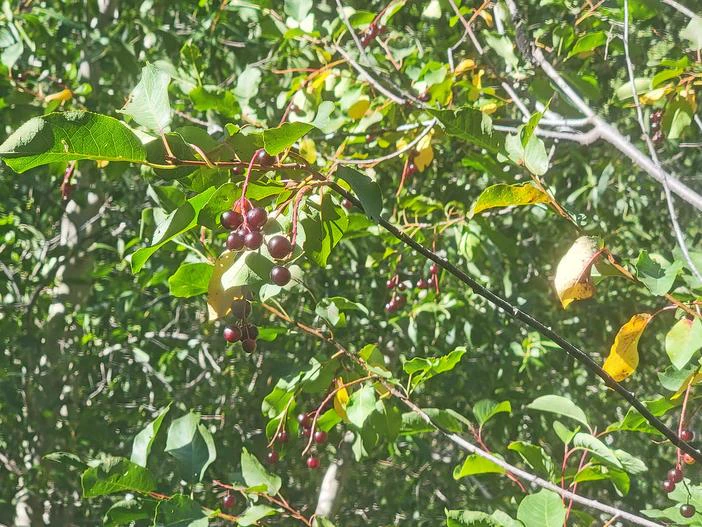
Western Chokecherry
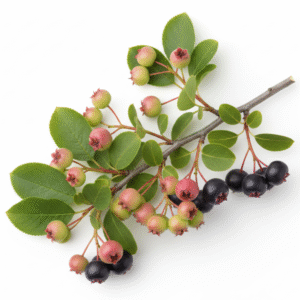
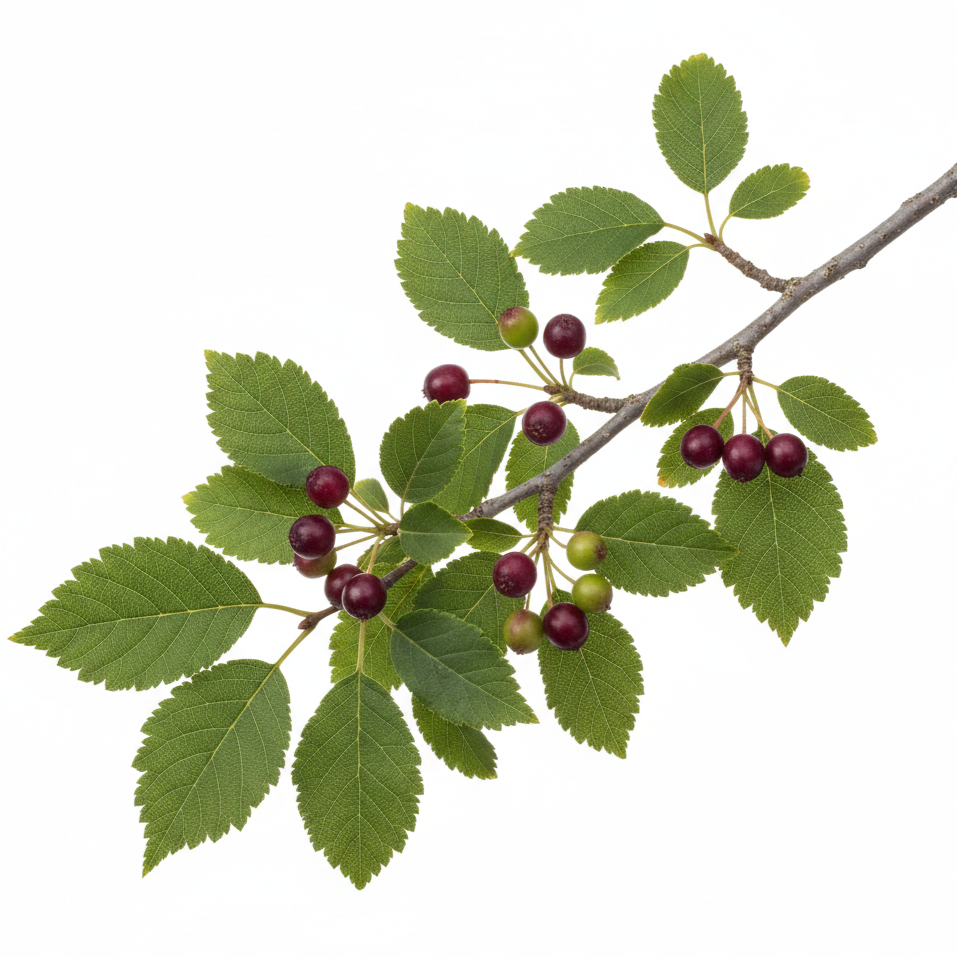
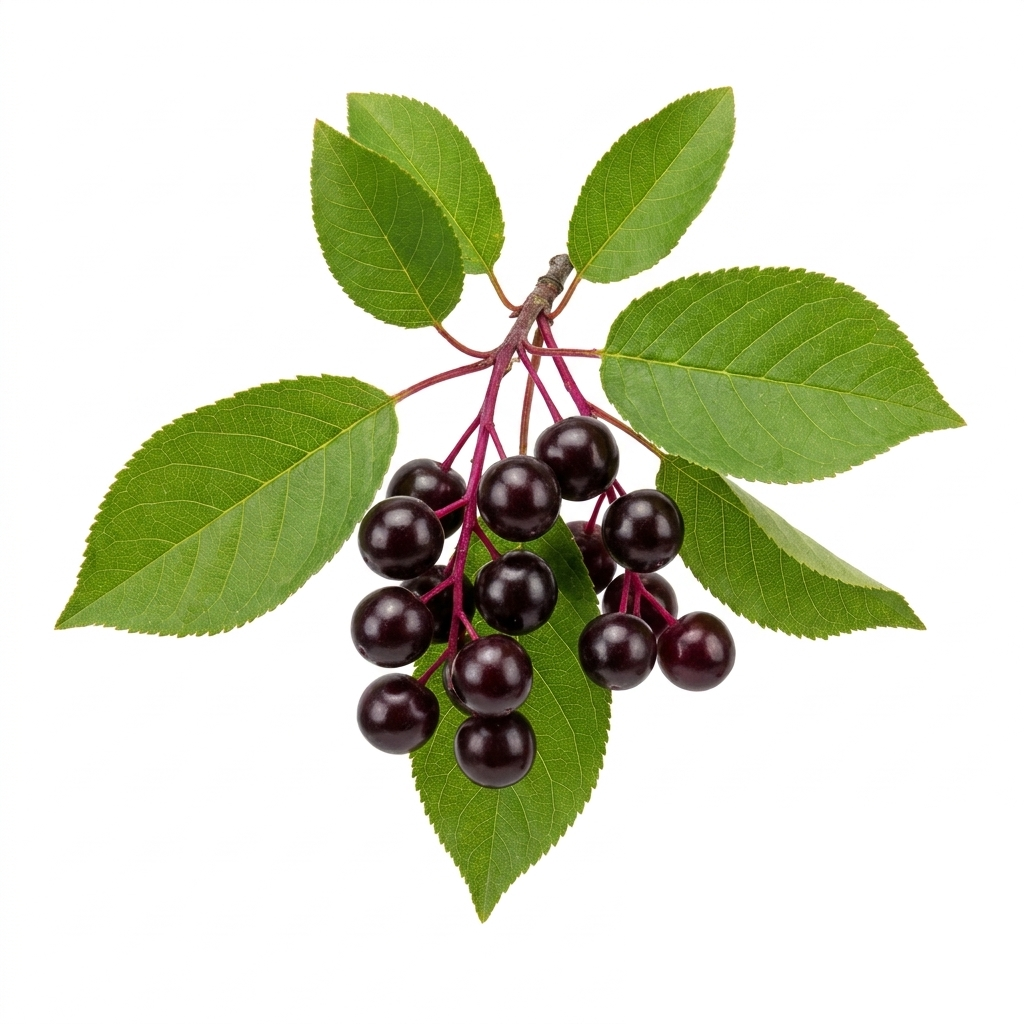
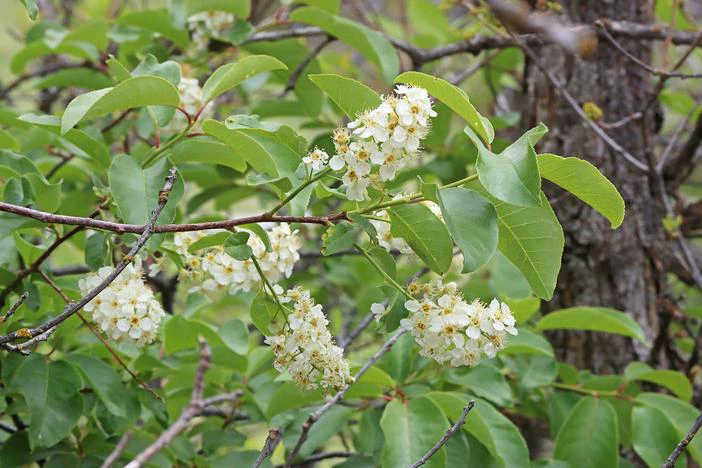
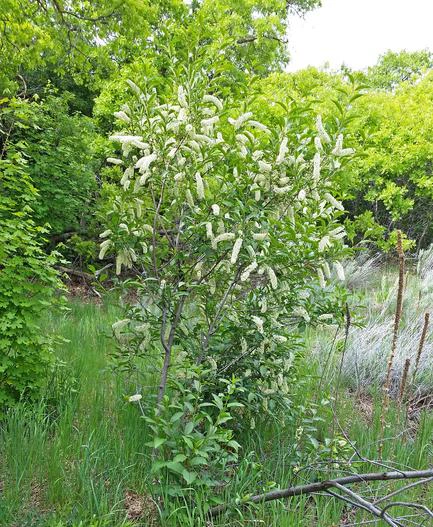
Native to the plains and foothill regions of western North America, Western Chokecherry (Prunus virginiana var. melanocarpa) is a rugged, highly adaptable shrub-tree famous for its heavy production of deep, dark stone fruit and incredible cold hardiness. In late spring, long, weeping racemes of white blossoms cover the plant, attracting beneficial pollinators. By late summer, these flowers yield dense clusters of pea-sized berries that ripen from glossy crimson to a deep, near-black purple. While raw chokecherries feature a characteristic sharp tannin astringency, heating or sweetening unleashes an exceptionally rich, complex wild-cherry flavor. Chokecherry is my absolute favorite for making jelly and I know people who like it for homemade wine as well.
- Flavor Profile: Sharp, astringent, and puckery raw; deep, rich, authentic wild cherry-almond taste when cooked and sweetened
- Uses: World-class chokecherry jelly, syrups, jams, fruit leathers, home winemaking, and traditional pemmican
- Harvest Window: Mid-August through September
- Pollination: Self-fertile
- Hardiness Zone: Zone 2–8 (Extremely cold-hardy, drought-tolerant, and adaptable to alkaline or dry soils)
- Mature Size: 10–18 ft. tall and 8–12 ft. wide (Can be grown as a large multi-stemmed shrub or pruned into a small tree)
- Fruit Type: Small, dark purple-black stone fruit borne in long, heavy-hanging clusters