Growing and Enjoying Honeycrisp Apples: A Guide for Home Orchardists
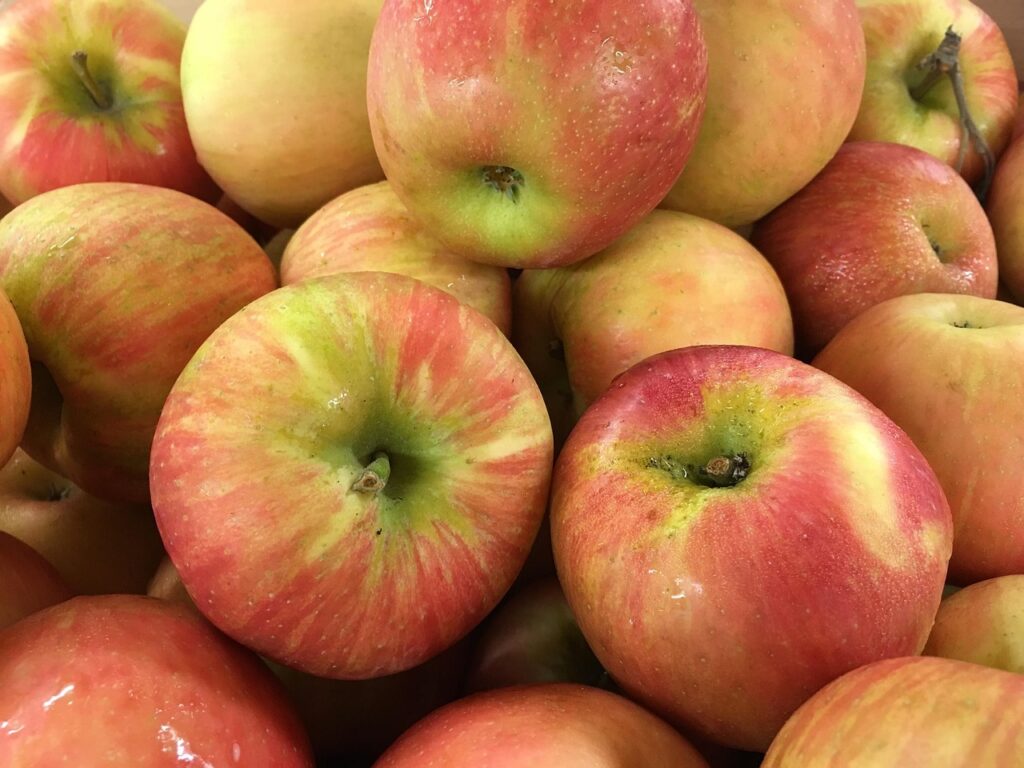
If you’re cultivating apples in your backyard orchard, the Honeycrisp is a variety worth serious consideration. Known for its explosive crunch and balanced sweet-tart flavor, it’s a favorite among consumers—and increasingly among growers who want a premium apple with real character. All apple varieties will taste different based on where they are grown, and Honeycrisp is an extreme example of this. Honeycrisp is most flavorful when grown in a cold climate such as Minnesota and Wisconsin rather than those grown in the Pacific Northwest as sometimes found in grocery stores.
Origins and Growing Conditions
Honeycrisp was developed by the University of Minnesota in the 1960s and released in 1991, specifically bred to thrive in cold climates. That makes it ideal for northern growers, officially hardy in USDA zones 4–7, but can be stretched to zone 3 especially with favorable micro-climates. Winter hardiness trials in Grand Rapids, MN noted that trees had cold damage in some years, but did survive and produce fruit there. It’s a mid-season bloomer and typically ripens in late September to early October.
Popularity in Minnesota Orchards
Because Honeycrisp was born in Minnesota, it holds a special place among home growers here and is the official state fruit. Amateur orchardists across the state have embraced it as a “must-have” tree, not only for its cold-hardiness but also for the pride of growing a variety that originated locally. In fact, many Minnesota backyard orchards feature Honeycrisp as a centerpiece, often planted alongside other University of Minnesota releases like Zestar! and Sweet Sixteen. Its reliability in the state’s challenging winters and its reputation as a premium eating apple make it a favorite for both hobbyists and small-scale growers.
Flavor and Texture
Honeycrisp apples are famous for their crisp texture, which comes from unusually large, juicy cells that burst when bitten. The flavor is a clean, refreshing mix of sweetness and acidity—ideal for fresh eating. If you’re growing for family, friends, or farmers’ markets, this apple practically sells itself. This flavor is enhanced by growing in a cold climate.
Pollination and Yield
Honeycrisp is not self-fertile, so you’ll need a compatible pollinator nearby. Good choices include varieties like Haralson, Zestar!, or Liberty. It tends to be biennial-bearing unless managed carefully, so thinning fruit and pruning for balance are key to maintaining annual production.
Orchard Management Tips
- Spacing: Allow 12–15 feet between trees for airflow and sunlight.
- Pruning: Open up the canopy to reduce disease pressure and improve fruit quality.
- Thinning: Remove excess fruit early in the season to prevent biennial bearing and reduce bitter pit.
- Storage: Honeycrisp stores well in cool conditions—up to 7 months in proper refrigeration. At home, keep them in the crisper drawer and avoid stacking to prevent bruising.
For more information on growing Honeycrisp reference this page from the University of Minnesota.
Uses Beyond Fresh Eating
While Honeycrisp shines when eaten out of hand, it also holds up well in salads and slaws. Its high water content makes it less ideal for applesauce or cider, but it can be used in pies and crisps especially if you balance it with firmer, more tart varieties such as Haralson.
Final Thoughts
This is the quintessential Minnesota Apple and a must have for home orchardists here. The flavor and texture is a favorite of many and it is best grown in a cold climate. Get your tree here and start growing Honeycrisp this year!