
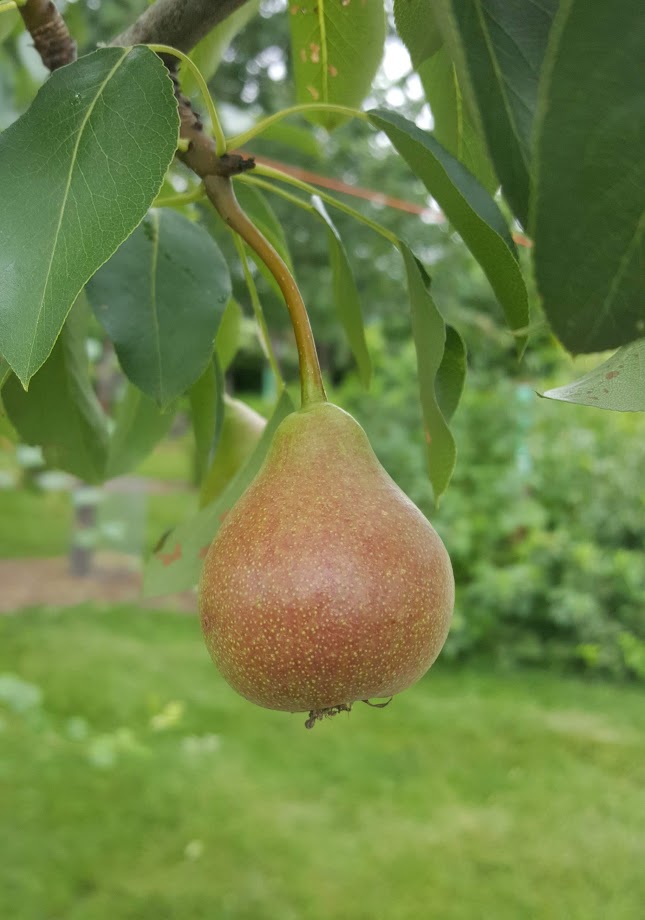
Growing and Enjoying Parker Pears: A Guide for Home Orchardists
There is a specific kind of magic in growing your own fruit. The dream of walking out your back door, reaching up, and plucking a sun-warmed, perfectly ripe piece of fruit is what inspires many of us to dig that first hole in the ground.
For many amateur gardeners—especially those of us living in colder northern climates—pears have often felt like a forbidden fruit. The classic varieties we see in the grocery store, like the Bartlett, simply cannot survive harsh Zone 3 or 4 winters. They freeze, they fail, and they break our gardening hearts.
Enter the Parker Pear.
If you have been hesitant to add a fruit tree to your landscape because you fear the climate is too tough, the Parker Pear is here to change your mind. Developed by the University of Minnesota, this variety is a game-changer for home orchardists.
Here is why the Parker Pear deserves a prime spot in your garden, and how you can successfully grow one.
Why Choose a Parker Pear? The Benefits
The Parker isn’t just “a pear that survives cold.” It’s an excellent fruit tree in its own right, offering several distinct advantages for the amateur grower.
1. The Northern Champion: Incredible Hardiness
This is the biggest selling point. The Parker Pear was specifically bred to withstand brutally cold winters. It thrives in USDA Zone 4 and can even be grown in Zone 3. (MN Dept. of Agriculture lists it as hardy to Zone 3, but the University of Minnesota lists it as Zone 4, so there may be some risk of cold injury if planted in Zone 3.) It is one of the top varieties of pear for cold-hardiness.
2. Gourmet Flavor Right at Home
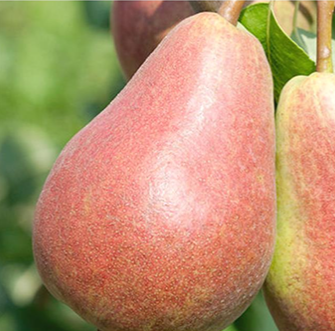
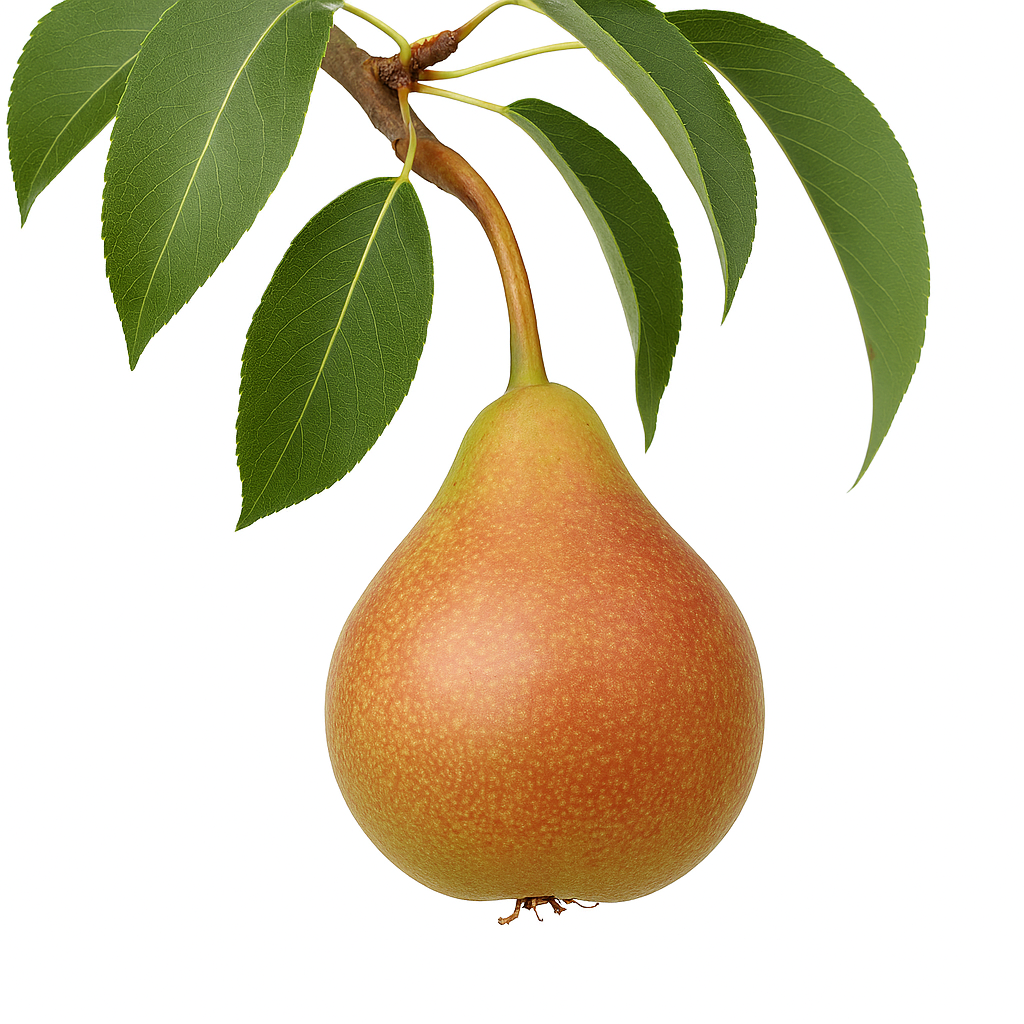
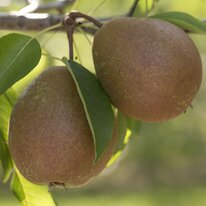
Hardiness sometimes comes at the expense of flavor in the fruit world, but not here. The Parker is a dessert-quality pear. It is medium-to-large in size, greenish-yellow with a lovely red blush (or even a red/brown color in some cases) on the side facing the sun.
Inside, the flesh is white, fine-grained, and incredibly juicy. It has a sweet, aromatic flavor with just a hint of tanginess. It’s melt-in-your-mouth delicious when eaten fresh, but it’s also firm enough for canning or baking into tarts.
3. Beautiful Spring Aesthetics
Fruit trees work double duty as ornamental landscaping. In mid-spring, the Parker tree is covered in clusters of stunning white blossoms. It’s a beautiful focal point in the garden long before the fruit arrives. For an even more stunning look consider espalier pruning, while more work it creates a unique look and makes harvesting easier and space constraints less of an issue. Parker, like most pear varieties will espalier well.
The Golden Rule: Sunshine
Like almost all fruit trees, pears crave sunlight. Choose a planting spot that receives at least 6 to 8 hours of direct, full sun daily. Shade equals fewer flowers, which equals fewer pears.
Soil and Drainage
Parker pears prefer loamy, well-draining soil. They hate having “wet feet.” If your soil is heavy clay, amend it with compost or other organic material before planting, or consider planting on a slight mound to improve drainage.
The Crucial Detail: Pollination Partners
This is the number one thing new orchardists overlook. Most pear trees, including Parker, are not self-fertile. You cannot plant just one Parker tree and expect a harvest (unless you have a neighbor with another pear tree). It needs a different variety of pear tree nearby to cross-pollinate with.
Fortunately, the Parker has excellent partners that are also cold-hardy. The best companion choices include:
- Flemish Beauty: (A cold-hardy pear originating in Europe)
- Harrow Delight: (A Canadian variety that is both cold-hardy and disease resistant)
- Summercrisp: (An early ripening, very hardy variety developed at the University of Minnesota)
Plant your two different trees within roughly 50 feet of each other to ensure the bees can do their work between the blossoms. Closer is better since pear blossoms are less attractive to bees than many other fruit trees.
Drawback
The one drawback to the Parker Pear tree is its susceptibility to fire blight, especially in years with warm, wet springs. Keep an eye out for the disease and prune it out if you see it. You can also help mitigate against fire blight by choosing a site with sunlight and breeze to help it dry quickly after wet weather.
Conclusion
Planting a fruit tree is an investment in the future. It takes a few years for the tree to establish and begin bearing heavily, but the reward is immense. This is especially true of pear trees as they tend to take longer to start bearing fruit than other kinds of fruit trees. It may be 6-7 years from when you plant a pear tree until the first harvest of fruit. The Parker Pear takes the anxiety out of northern orchard gardening, offering hardiness, beauty, and incredible flavor.
If you have a sunny spot in your yard and a hunger for homegrown fruit, take the leap this spring and plant a Parker. In a few short years, you’ll be wondering how you ever settled for grocery store pears again.