Crandall Currant
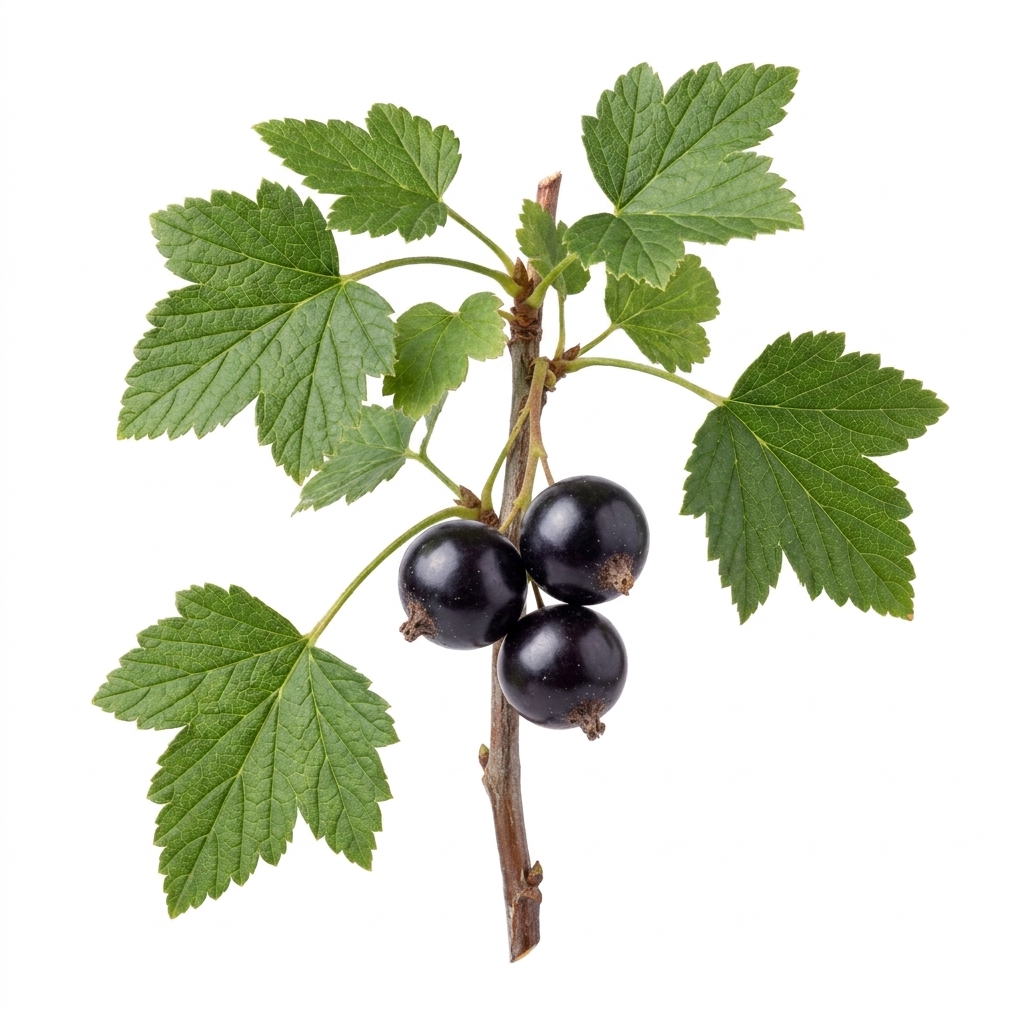
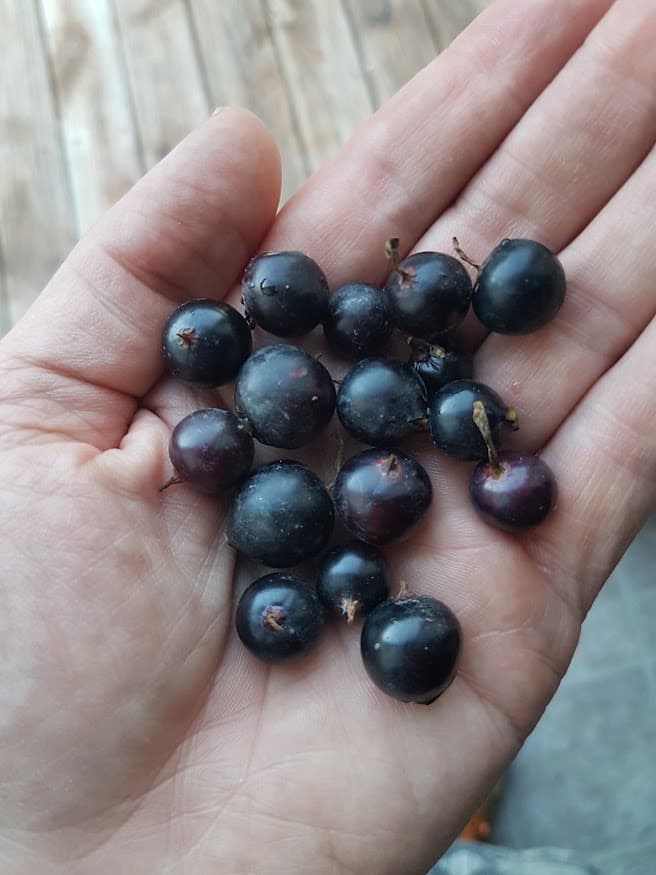
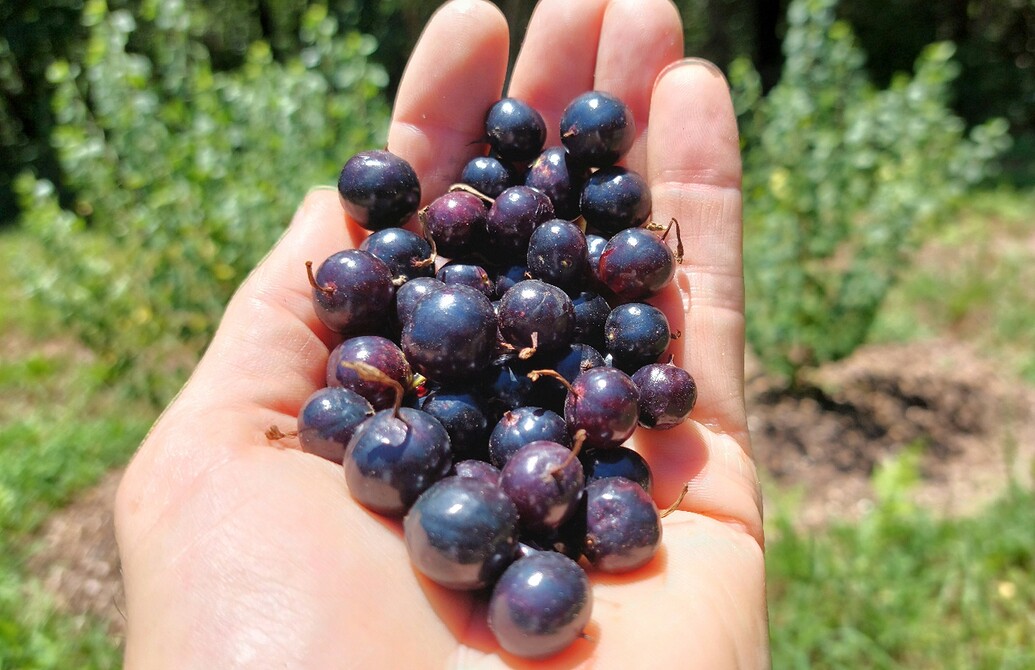
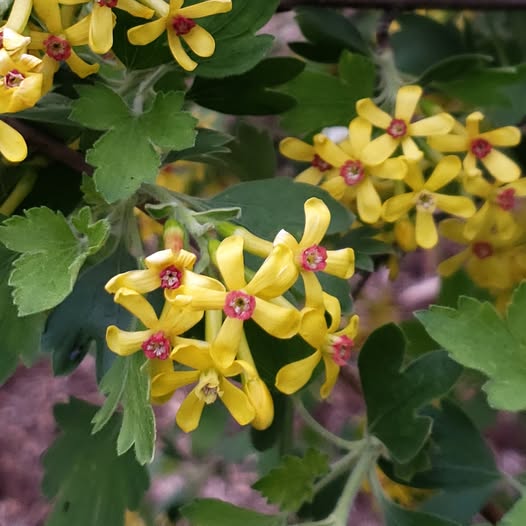
A selection of the native American clove currant (Ribes odoratum), Crandall is famous for being the largest, sweetest, and best-tasting black currant variety available for home gardens. In spring, the bush puts on a spectacular display with clusters of trumpet-shaped, bright yellow blossoms that release a powerful, heavenly clove-and-vanilla fragrance. By mid-to-late summer, these fragrant flowers give way to heavy crops of glossy, jet-black berries that are up to twice the size of standard European black currants. Unlike traditional European black currants which are heavily astringent, Crandall berries feature a delightfully sweet-tart flavor with notes of blackberry and grape, making them fantastic for fresh eating straight off the bush as well as processing into gourmet preserves. Crandall currants must be fully ripe for the best flavor; underripe berries are overly tart, and ripe fruit should be soft and easily fall off the bush with a gentle tug.
- Flavor Profile: Sweet-tart, mild, and juicy with notes of blackberry and concord grape; lacks the strong resinous bite of European varieties
- Best Uses: Outstanding fresh snacking, gourmet jellies, jams, syrups, baking, pies, and home winemaking
- Harvest Window: Mid-July through August (Berries ripen much later than European black currants)
- Pollination: Self-fertile (Produces heavy crops independently)
- Hardiness Zone: Zone 3–8 (Extremely cold-hardy, heat-tolerant, and drought-resistant once established)
- Mature Size: 3–5 ft. tall and 3–5 ft. wide
- Disease Resistance: Highly resistant to White Pine Blister Rust (WPBR) and powdery mildew