Haralson Apple
Haralson was discovered to be the most common of older apple trees planted in yards in Duluth, MN when genetic testing was done by a University of Minnesota – Duluth student on apple trees in the city. This is a medium-sized, crisp, and juicy apple introduced by the University of Minnesota in 1922. It’s celebrated for its bright tartness, outstanding winter hardiness, and reliable performance in pies and fresh eating.
Flavor Profile
- Crisp, juicy texture with a lively, tart bite.
- Complex acidity balances a subtle hint of sweetness at full maturity.
- Holds firm under heat—ideal for pies, crisps, and tarts—while brightening fresh-eating for acid-lovers.
Appearance
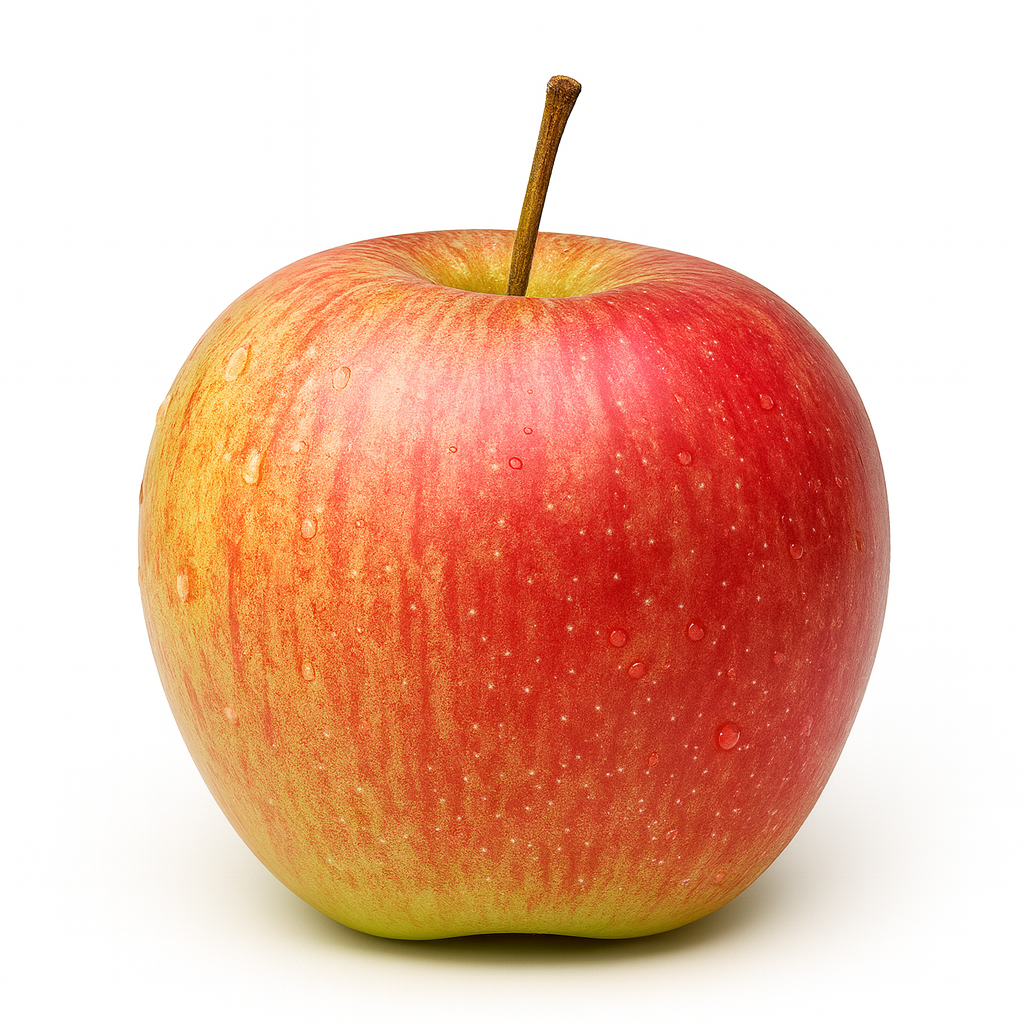
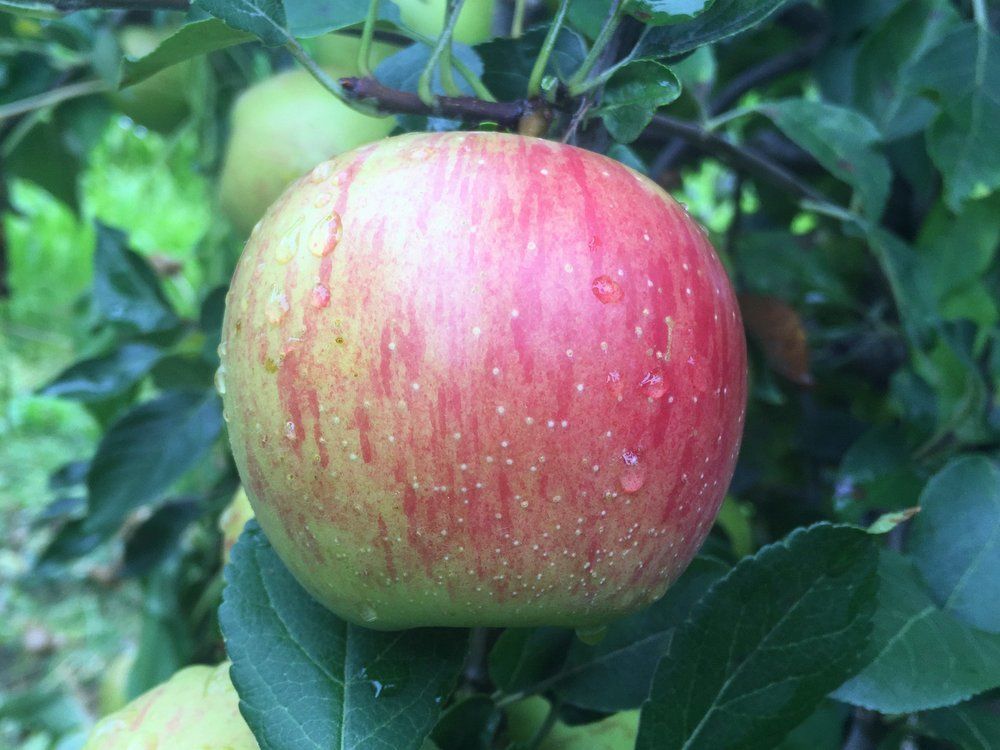
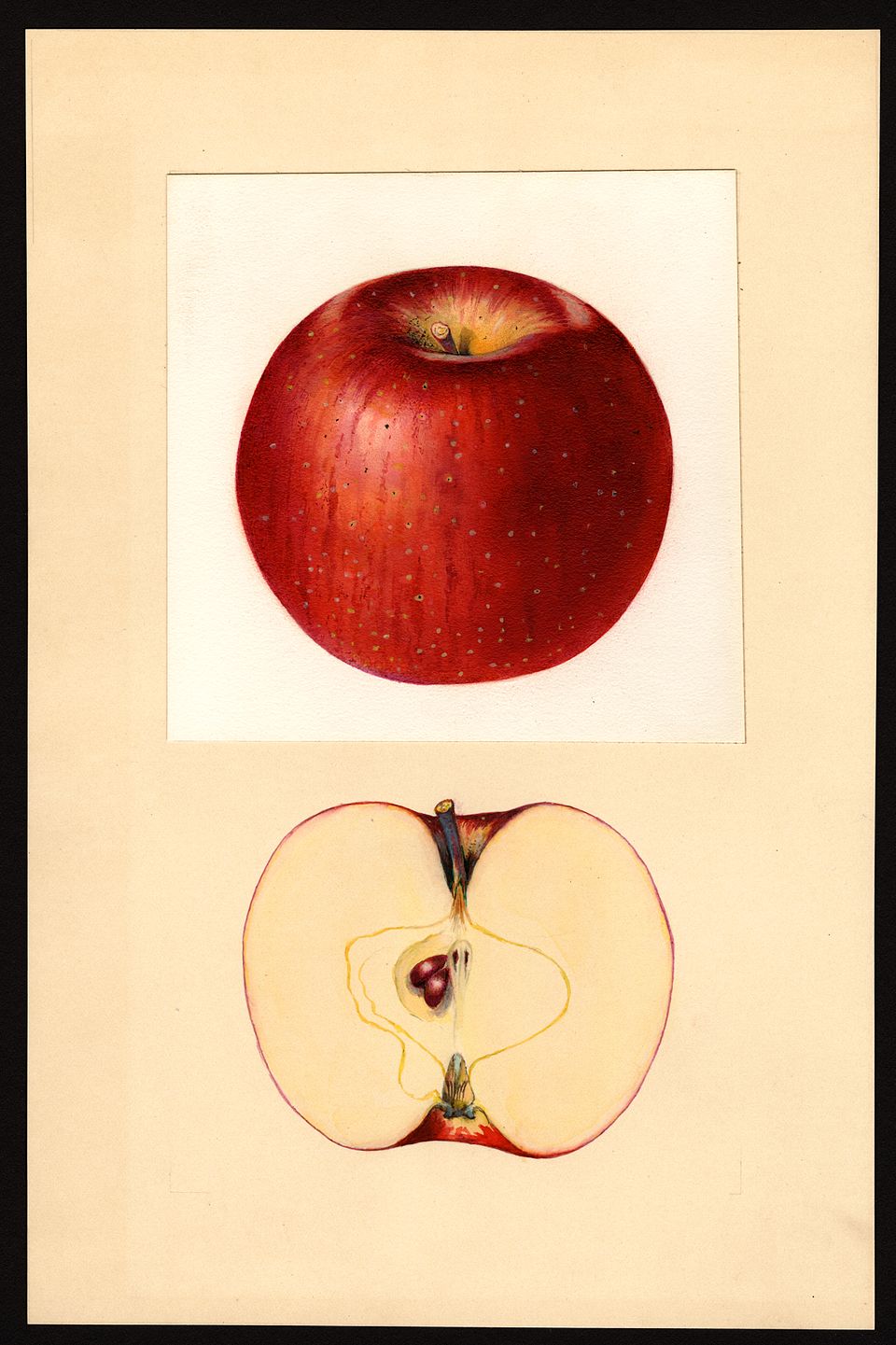
- Shape: Round-conic, medium size (2¾–3½” diameter).
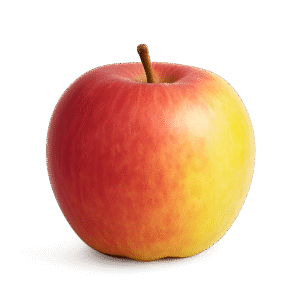
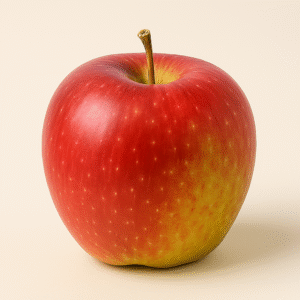
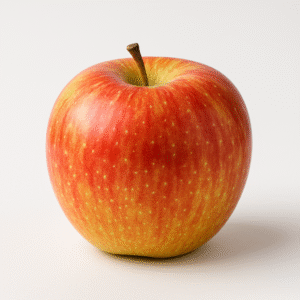
- Skin: Deep red flush over yellow ground, often with splashes and fine stripes.
- Flesh: Creamy-white, medium-firm, and slow to brown.
Harvest & Storage
- Ripening: Late September to early October.
- Storage: Keeps 2–4 months under 32–40°F and high humidity; peak flavor during the first 6–8 weeks post-harvest.
Tree Characteristics
- Growth Habit: Moderately vigorous with a strong central leader and wide-angled laterals.
- Chill Hours: Approximately 1,000 hours.
- Hardiness: USDA Zones 3–6
Disease Resistance & Care
- Scab: Less prone than many traditional cultivars.
- Fire Blight: Moderate susceptibility; standard preventative sprays recommended.
- General Care: Annual pruning for air circulation, summer thinning to improve fruit size and quality.
Pollination
- Self-sterile; requires cross-pollination with a crabapple or another apple variety flowering at the same time (e.g., ‘Liberty’, ‘Golden Delicious’).
- Haralred is not a suitable pollinator.
- Blooms late spring, post-frost risk.
Origin & Heritage
- Bred at the Minnesota Horticultural Research Center (1913–1922), released in 1922.
- Named for Charles Haralson, longtime superintendent of the University’s Fruit Breeding Farm.
- Parentage: Open-pollinated ‘Malinda’; DNA evidence points to ‘Wealthy’ as the pollen parent.