
Phoenix Tears Goji Berry
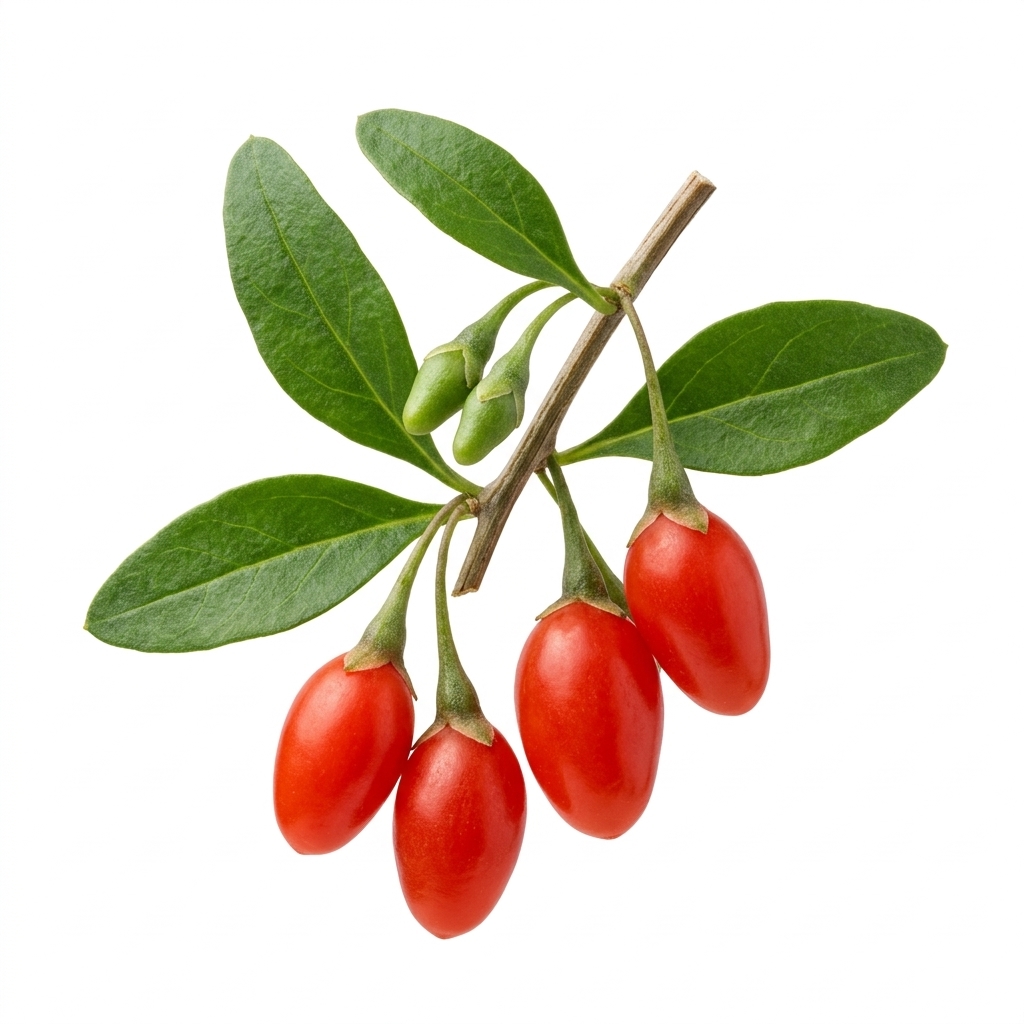
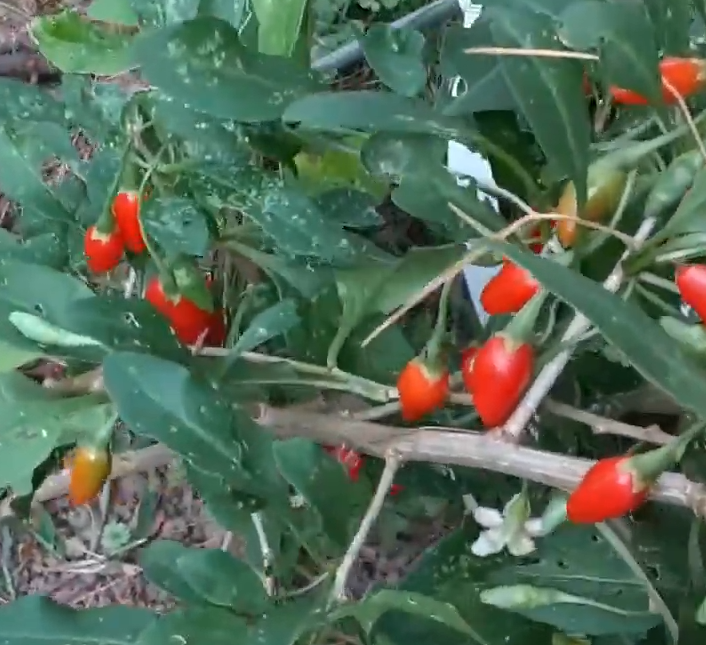
Originated in Utah—likely first planted by Chinese railroad workers in the 19th century—Phoenix Tears Goji (Lycium barbarum ‘Phoenix Tears’) is a premier, highly productive selection of the famous superfood wolfberry.
In late spring, slender, vine-like arching branches produce delicate, light violet blossoms that give way to heavy crops of bright orange-red, jellybean-shaped berries ripening throughout the summer. The sweet, lightly acidic fruit is loaded with antioxidants, carotenoids, and vitamins, while the dried leaves can even be brewed into a nutrient-rich herbal tea.
Soil & Permaculture Clarification: While goji berry plants are widely praised in permaculture guilds for their ability to thrive in poor, lean, or alkaline soils without synthetic inputs, they do not fix nitrogen on their own. Although goji plants do not fix nitrogen directly, their presence can enhance soil health when paired with nitrogen-fixing plants like clover or beans. This combination enriches the soil for surrounding crops. Phoenix Tears serves as an incredible drought-tolerant, low-input companion plant that pairs exceptionally well with leguminous nitrogen fixers (such as Seaberry, Goumi, or Clover) to build high-yielding, resilient edible landscapes.
Goji plants are sensitive to heavy fertilization; adding excess nitrogen encourages soft vegetative growth over fruiting and can even harm the plant.
• Flavor Profile: Sweet with a light, pleasant acidity; fresh berries possess a unique, mild flavor, while dried berries taste similar to sweet cranberry-raisin hybrids
• Best Uses: Fresh snacking, drying for trail mixes, blending into smoothies, and steeping the foliage into antioxidant-dense tea
• Harvest Window: Mid-summer through early autumn (Heavy, long harvest period over several weeks)
• Pollination: Self-fertile
• Hardiness Zone: Zone 3–8 (tops may die back in especially cold winters in Zone 3, but the roots will send up new shoots in the spring)
• Mature Size: 5–7 ft. tall and 4–6 ft. wide
• Site Preference: Full sun to partial shade; prefers well-drained, neutral-to-alkaline soils and requires no fertilizer